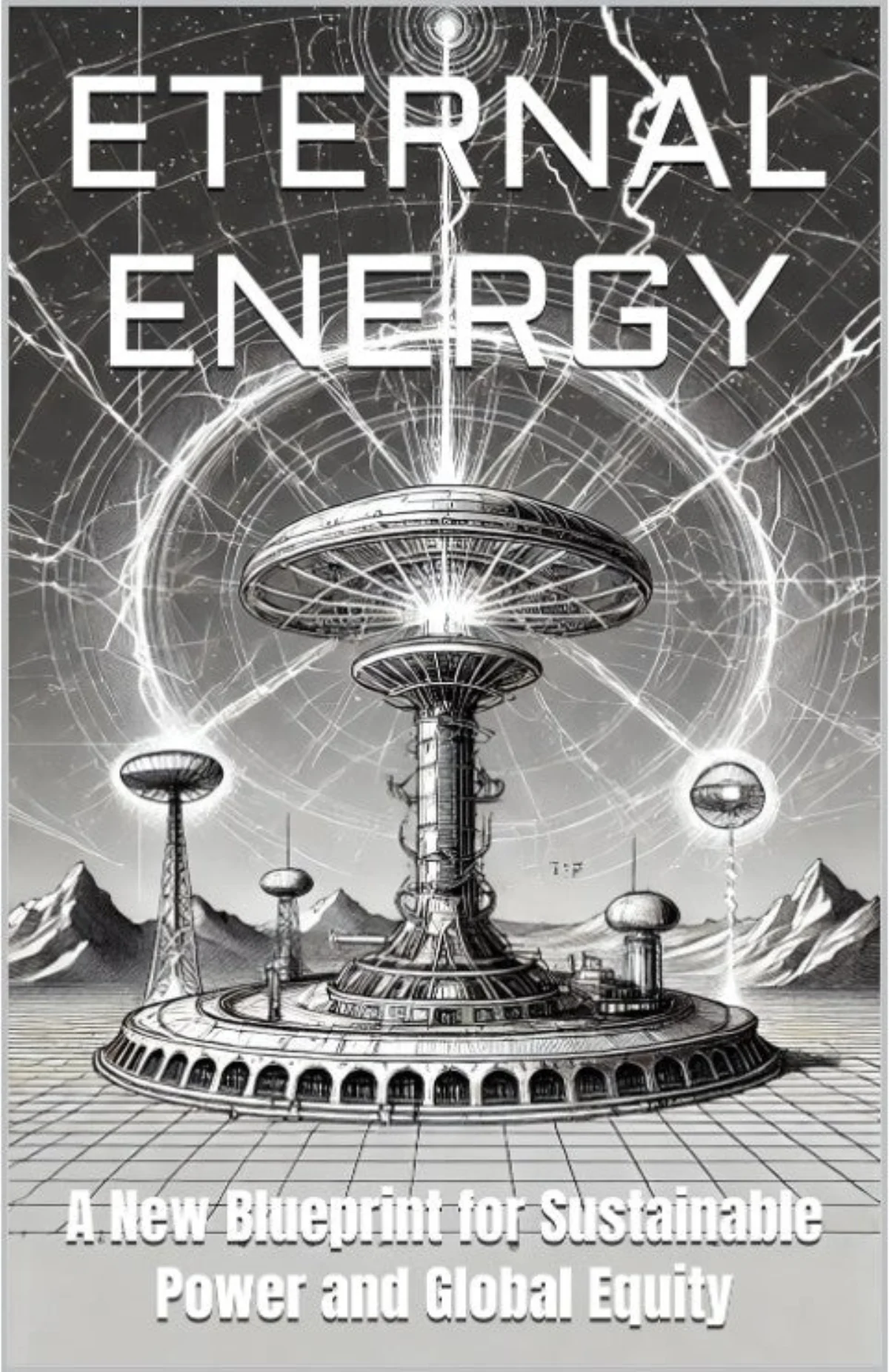
ETERNAL ENERGY: A New Blueprint for Sustainable Power and Global Equity
$24.09
Book Description
Imagine a future where energy scarcity is a relic of the past, where limitless, sustainable power reshapes society, heals our planet, and bridges global divides. In Eternal Energy: A New Blueprint for Sustainable Power and Global Equity, Michael Elfellah delivers a groundbreaking vision that transcends conventional energy paradigms, presenting a revolutionary approach to power that is abundant, regenerative, and universally accessible.
Drawing from pioneering advancements in zero-gravity physics, superconductivity, and space-based infrastructure, Elfellah introduces the transformative concept of energy compounding—a sustainable cycle where every unit of energy generated contributes to creating more. What if humanity could harness energy as endlessly renewable as the cosmos itself, using superconductors and wireless transmission inspired by Nikola Tesla's visionary principles? This compelling narrative goes beyond theoretical exploration, providing a practical roadmap for how humanity can implement these transformative technologies.
This timely book confronts the profound ethical questions surrounding unlimited power. It challenges readers, policymakers, scientists, and global citizens to rethink our approach to energy governance, advocating for transparent, equitable, and internationally cooperative frameworks. By proposing an inclusive model of progress, Elfellah outlines strategies for leveraging energy abundance to combat poverty, support environmental regeneration, and ensure social equity across the globe.
Eternal Energy is more than a technical guide—it’s a blueprint for a new civilization, where human innovation aligns seamlessly with environmental stewardship. Rich with actionable insights, philosophical depth, and a clear call to ethical responsibility, this book empowers you to become an active participant in humanity’s greatest transition.